Kitchen Drain Cleaning in Red Lion
The sink holds water, the disposal hums, and the dishwasher cycle leaves a gray puddle in the basin. We connect Red Lion homeowners with experienced local drain cleaning pros who clear the line and tell you plainly why it clogged.
What is happening inside a kitchen line
The pipe under a kitchen sink is narrow, and it carries the messiest water in the house. Cooking fat leaves the pan as a warm liquid and feels harmless. A few feet down the line it cools, thickens and sticks to the pipe wall. Soap residue and food particles cling to that coating, and the opening shrinks a little more with every meal. Nothing about it looks dramatic until the day the water stops moving. Kitchen drain cleaning is the job of removing that coating and finding out where it keeps forming.
Grease, starch and disposal waste: the usual suspects
Grease gets the blame, and it earns most of it. Bacon fat, the pan drippings from a roast, the oil left after frying, even the film from a buttery pasta pot all end up coating the same stretch of pipe. Hot water carries them past the trap and out of sight, but the line does not stay hot.
Starch is the quieter partner. Rice water, potato peelings, pasta water and oatmeal residue turn gluey once they settle, and that paste is exactly what grease needs to build on.
Disposals add their own wrinkle. A disposal chops food small but does not make it disappear. Fibrous scraps such as celery and onion skins turn into a stringy mat inside a pipe already coated with fat.
Which side backs up tells you something
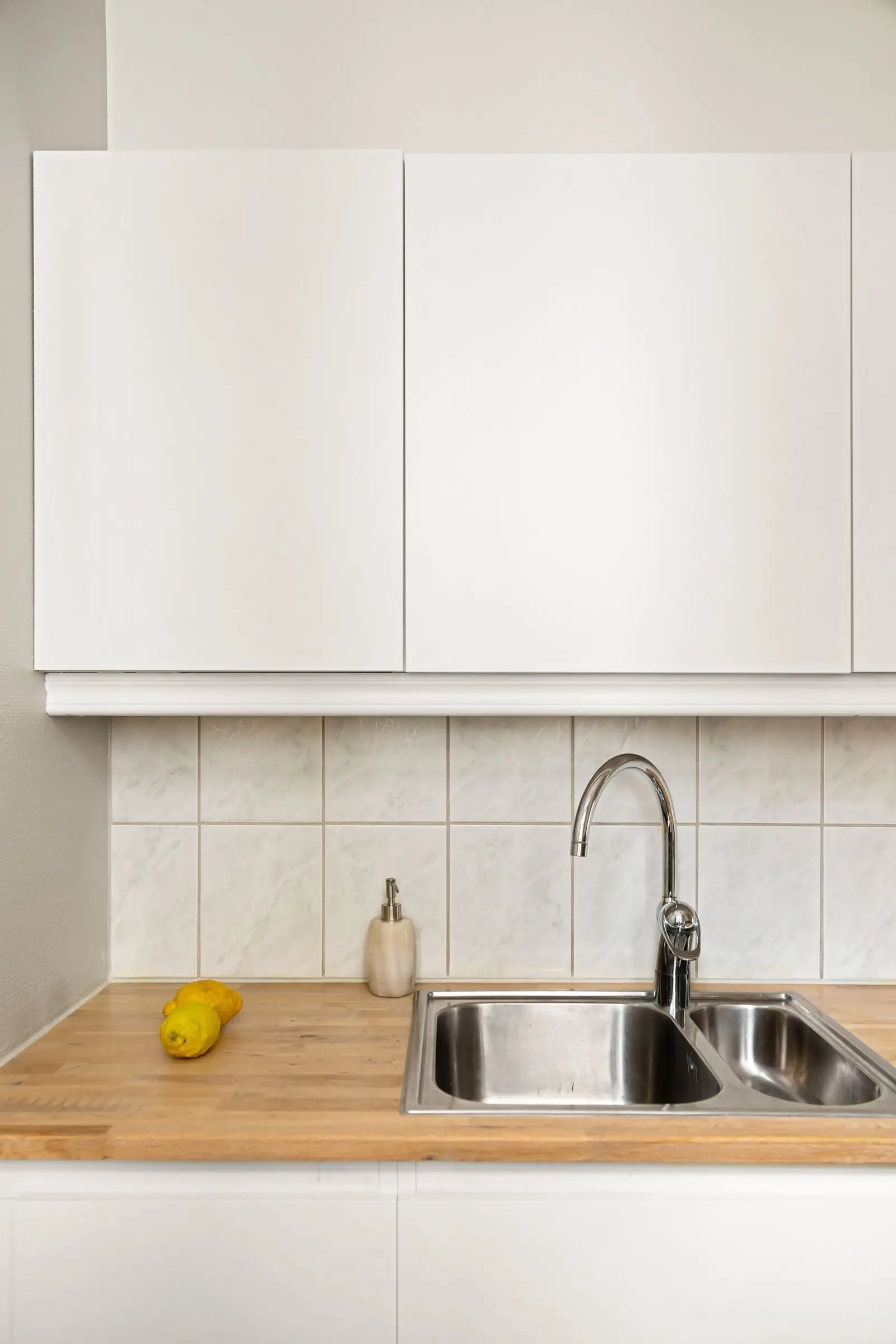
Look at a double sink before you call. If one basin fills and the other stays dry, the blockage is usually close to that basin, in the trap, the tailpiece or the short run before the two sides join. If both sides fill together, or water from one side rises in the other, the stoppage sits past the point where the two drains meet.
Give the dispatcher that detail; it helps the technician arrive with the right equipment.
Dishwasher and disposal backups
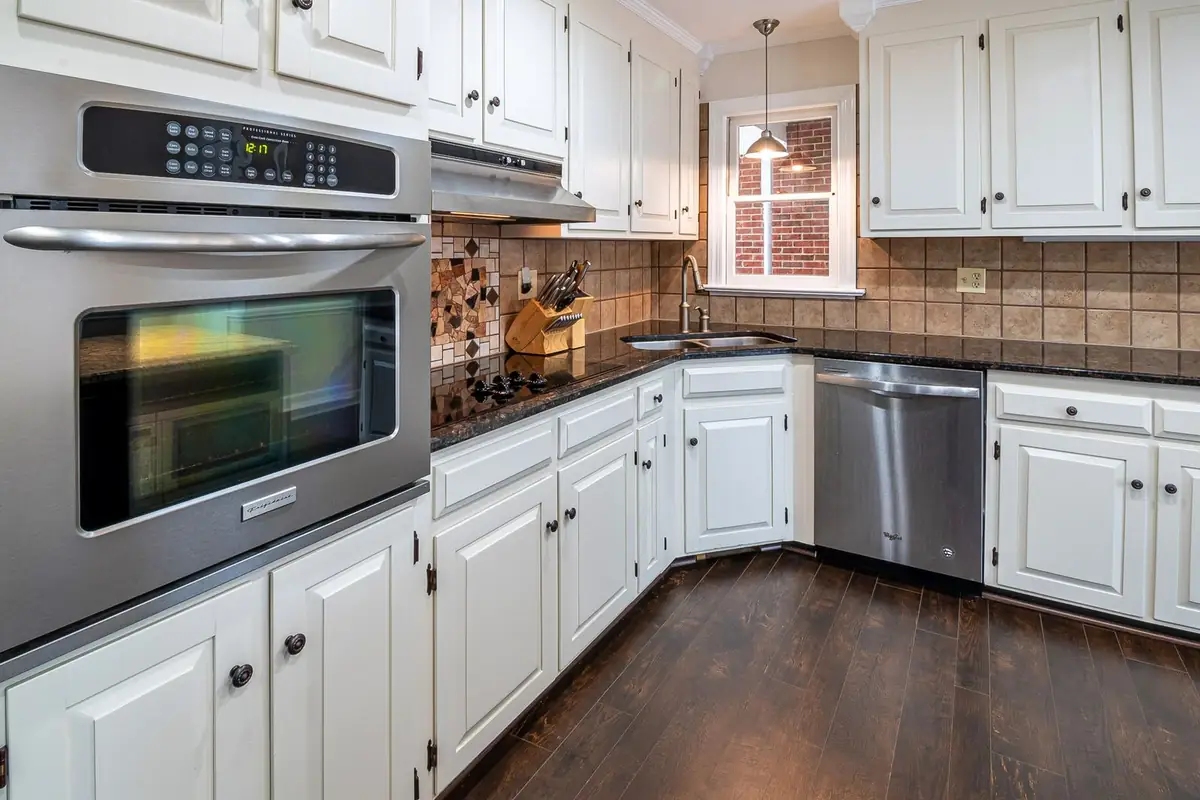
The dishwasher usually drains through the disposal or into the same sink line. When that line is partly blocked, the first symptom is not always a slow sink. It is dirty water showing up in the basin during the dishwasher cycle, or a dishwasher that finishes with a standing film in the bottom of the tub.
If the disposal hums and does nothing, or the sink fills when the dishwasher runs, tell us. Those two details point toward the shared line and away from a failed appliance, which saves you from replacing a machine that was never the problem.
Reaching the branch line behind the wall
The trap under the sink is the first place a technician looks, and often the first thing that comes apart. When that is clean and the water still sits, the stoppage is further back, in the branch line that runs behind the wall or down through the floor to the main drain.
That stretch is where kitchen grease does its slow damage. A technician can usually reach it from the sink opening or from a cleanout, using a cable machine with a cutting head suited to the pipe. Where buildup is thick, heavier methods may come up, as in our overview of hydro jetting.
Sometimes the problem is lower. If the bathroom sink gurgles or a basement drain is slow while the kitchen is blocked, something shared is probably involved, and main line drain cleaning enters the conversation. That is a different job from clearing one sink.
A repeat clog is information. If the same sink stops up every few weeks, clearing it again only resets the clock. The better question is what keeps collecting in that pipe: a belly in the line, rough old pipe that catches debris, a long flat run that does not carry waste along. A technician who explains what he found is worth more than one who just runs the cable.
Tell us what else gurgles, slows or smells and we will say what kind of visit this probably is.
Kitchen drain cleaning in Red Lion homes
Where your house sits in Red Lion changes what is under the sink. In the borough, many kitchens belong to pre-war brick and frame homes on the older grid streets. The kitchen drain in those houses often joins an old line that has been adapted more than once, and the basement ceiling below may show a patchwork of metal, plastic and repairs from different decades. Our page on the Red Lion Borough goes into the older housing in more detail.
Across Windsor Township, kitchens come from the 1970s through the newest subdivisions. The pipe is typically plastic, the runs are shorter, and the layouts repeat from house to house. Disposals are common in newer kitchens, and people trust them to handle more than they should. If your home is one of the township builds, you can read more about the area on our Windsor Township page.
On the north-west edge of York Township toward Dallastown, homes are suburban, with kitchens that sit above finished basements. A backup there can mean damage to a finished space, so it is worth calling at the first sign of slow draining rather than waiting.
One boundary to be clear about: homes on private wells and on-lot septic systems are outside what we handle. If your water and waste do not connect to a municipal setup, we will say so on the phone.
Keeping it clear: honest habits, no gimmicks
- Scrape pans and plates into the trash before they reach the sink, and wipe greasy cookware with a paper towel first.
- Keep cooking oil and grease out of the drain, even with hot water or dish soap.
- Skip the disposal for rice, pasta, potato peels, coffee grounds, celery, eggshells and anything stringy.
- Run plenty of cold water while the disposal works, and keep it running a few seconds after it stops.
None of this makes a clog impossible. It makes one less likely, and it shortens the list of suspects if you do need to call.
Until the technician arrives
- Stop running the faucet, the disposal and the dishwasher. More water just has to go somewhere.
- Leave the chemical drain cleaner on the shelf. It can sit in the pipe and cause trouble for the person who works on it.
- If other fixtures are also backing up, stop using water anywhere in the house.
- Keep children and pets away from standing or backed-up water.
- Jot down which drains are slow, what you noticed, and when it began. The dispatcher will ask.
A short conversation sorts out whether it is a trap, a branch line or something bigger.
What the call and the visit look like
You tell us what the sink is doing. We ask a few questions: which side, whether the dishwasher or the disposal is involved, how long it has been going on, whether anything else in the house is acting up. Then we dispatch a local technician where same-day or emergency service is available, and the price and options are explained before any work begins, with no hidden fees.
On arrival, the technician usually starts with the visible parts, then moves to the branch line if the water still does not move. If the line has been clogging repeatedly, ask what he saw inside it. A camera can help with the harder cases, and our page on drain camera inspection explains when it makes sense.
Questions people ask
A clog that keeps returning usually means something about the line is encouraging it. Grease may be coating a long, shallow run so each meal adds a little more. The pipe may have a low spot where waste settles, or rough old metal that catches scraps.
Clearing the blockage restores flow, but it does not say why the pipe collects debris. Ask the technician what was found inside the line; if it is the same buildup each time, a camera look may be worth considering.
Hot water only moves grease a few feet. It melts, travels past the trap, then cools in the pipe behind the wall and sticks to the sides. Dish soap breaks it up for a moment but the film thickens with every wash.
The reliable habit is simple. Wiping greasy pans with a paper towel before washing helps, and cooking oil is better kept out of the drain entirely. The sink should only see water and a little soap.
It can, mostly because people expect too much from it. A disposal cuts food into smaller pieces, but those pieces still have to travel through a narrow drain. Stringy vegetables, starchy leftovers, coffee grounds and eggshells tend to pack down in the line and trap grease behind them.
Used lightly, with plenty of cold water, a disposal causes few problems. Heavy loads of scraps are what usually lead to calls.
Most dishwashers drain through the disposal or the sink line. If that line is partly blocked, the dishwasher water has nowhere to go and backs up into the basin. It is a sign the shared drain is restricted, not that the appliance is broken.
Stop running the dishwasher until the line is cleared, since repeating the cycle only floods the sink. When you call, mention that the backup happens during the wash.
Either method can clear the blockage, and a good clearing gives you a working drain again. Neither one promises the clog will stay away, because the cause may still be there.
The honest answer is that results depend on the pipe and on the habits around it. A technician can tell you which method fits your line, and our hydro jetting page explains how it compares with cabling.
We do not recommend any product as a fix for a clogged kitchen drain, and chemical drain cleaners should stay on the store shelf. Products that claim to digest grease work slowly if at all, and they do nothing for a pipe that is already stopped up.
If a drain is slow or blocked, a hands-on clearing by a technician is the more dependable route. Daily habits, such as keeping grease out of the sink and scraping plates first, do more for the pipe than anything poured into it.
It is better not to. Every gallon you send down a blocked line either rises in the sink or pushes the blockage further along. Stop using the faucet, the disposal and the dishwasher, and avoid chemical cleaners.
If other drains in the house are slow or gurgling too, stop using water everywhere and tell the dispatcher. Keep kids and pets away from any standing water.
It depends on where the blockage sits and how much has built up. A stopped-up trap is a quick matter. A branch line with a long grease coating takes more work, and a line with a deeper problem may need a second step such as a camera look.
We do not promise a fixed time on the phone, since the technician needs to see the line first. You will get the plan and the price before work begins.
A one-sided problem usually points to the trap or the short run under that basin, where the pipe is tight and prone to catching debris. A sink that fills on both sides, or that sends water from one basin up into the other, points further down the line.
Tell the dispatcher which it is. It does not change the urgency, but it helps the technician decide where to start. If the bathroom fixtures are also slow, mention bathroom drains too.
Standing water in the kitchen sink is not going to drain itself
Describe what the sink is doing and a dispatcher will explain the next step, the options, and the price before any work starts.