Drain Cleaning in Red Lion Borough
Houses around Main Street were built long before anyone thought about disposals and laundry rooms. When their drains back up, it takes a technician who knows what is usually behind the wall.
Drain cleaning in Red Lion Borough: why age matters
A drain in the middle of Red Lion is rarely just a drain. It is a pipe that has carried the same house's wastewater through decades of cold winters, root growth, renovations and changing habits, and when it starts to fail the cause is usually a combination of those things rather than one dramatic event. People here often call after the second or third slow-drain episode in a year, and by then the real question is why it keeps happening.
The houses along the grid
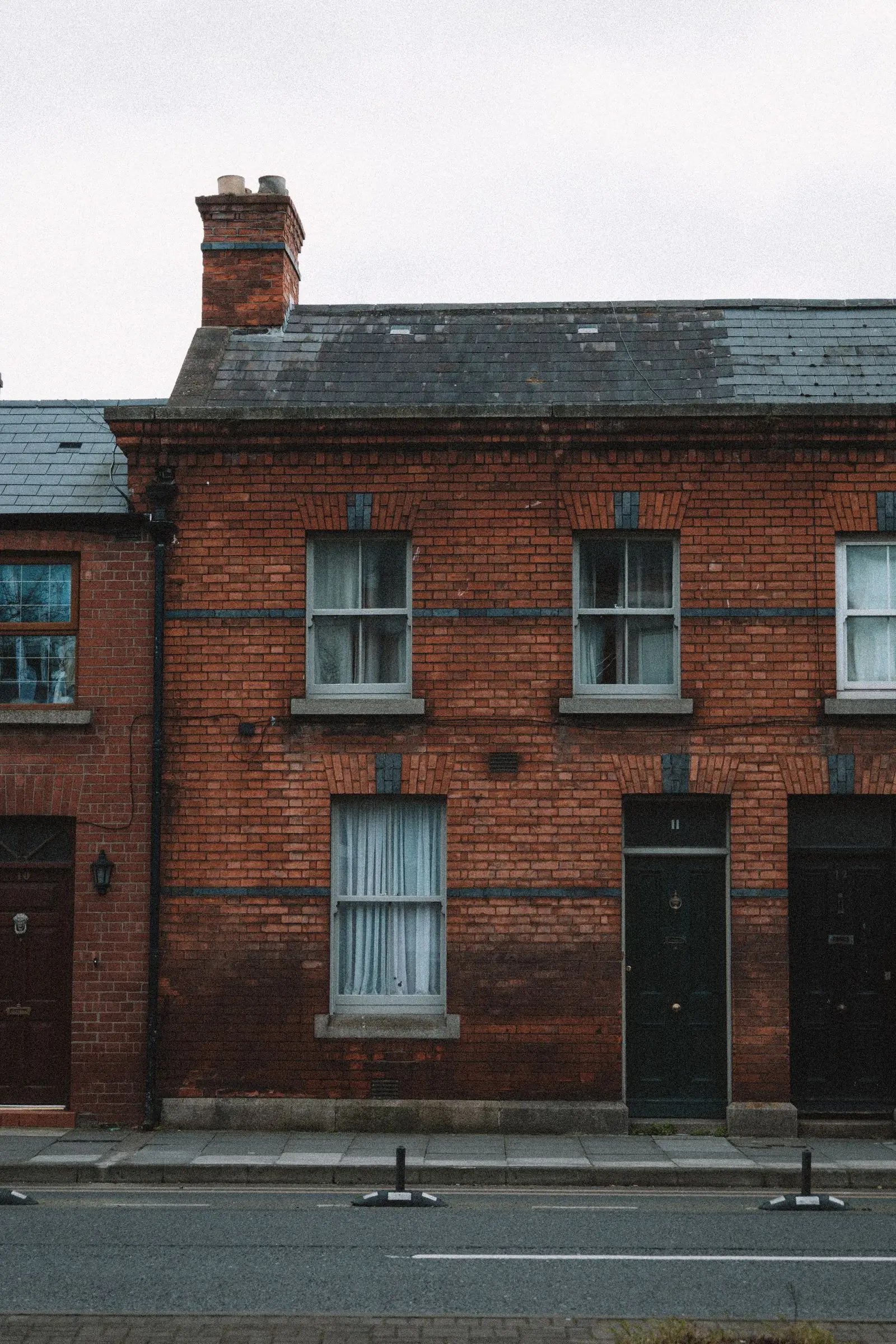
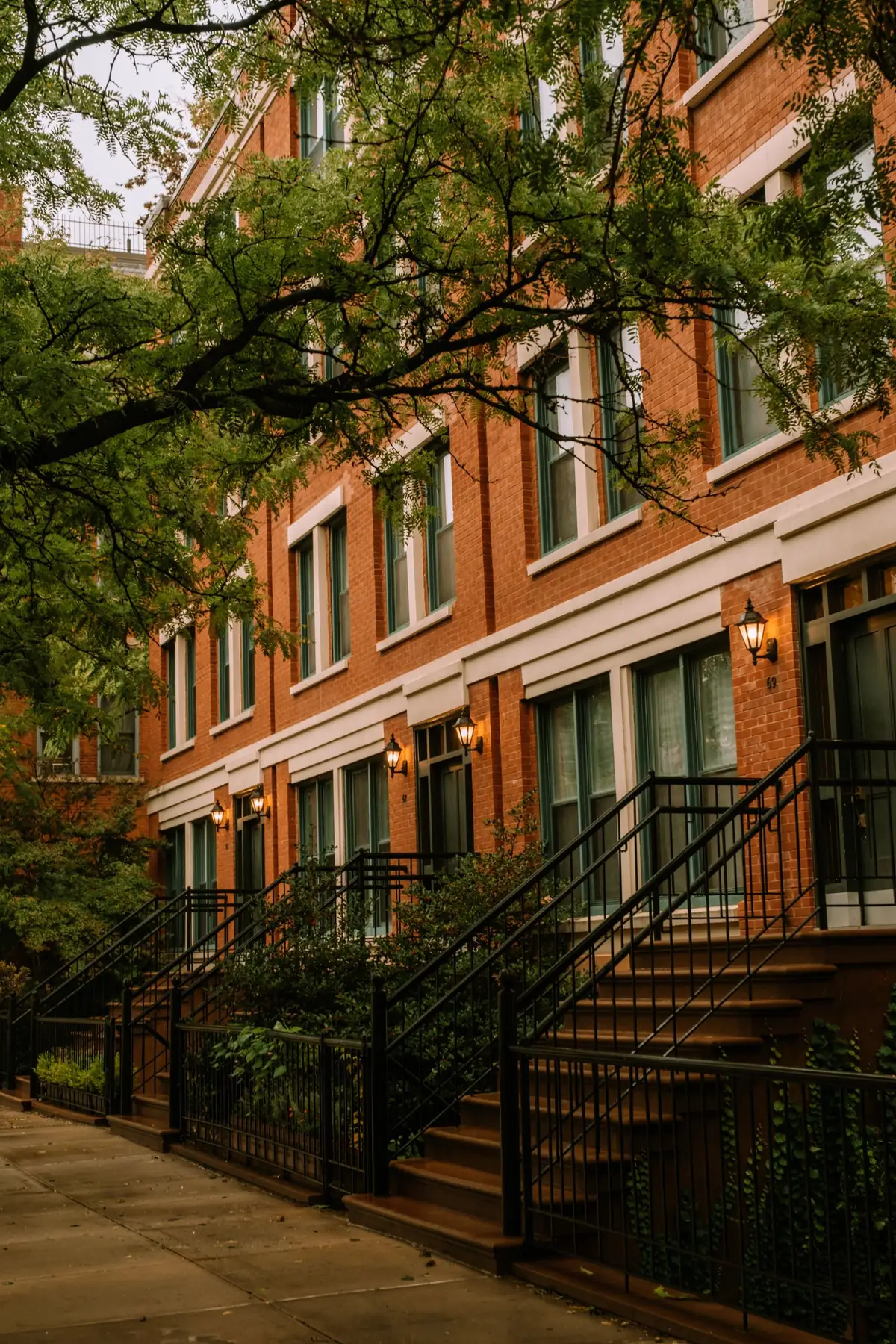
The borough grew up as a compact small town, and you can still read that in the layout. Dense rows of pre-war brick and frame homes sit on narrow lots around Main Street, with alleys behind many blocks and older side streets running off in a tidy grid. Lots are tight, houses are close together, and mature trees line a lot of the streets in this York County, Pennsylvania borough.
That density shapes where plumbing runs. Many homes have a basement, and the main drain usually leaves low on the street side or toward an alley, which can put the line close to tree roots and to the neighbors' pipes. Bathrooms and kitchens have often been moved or added, so the layout inside the walls may not match the original. The oldest lines were laid in materials common to the era, such as clay and cast iron, and the general tendency is that older pipe has more joints, more rough interior surfaces and more places for build-up to start.
Cold winters add to this. Freeze-thaw cycles and deep frost move the ground around buried lines, which is part of why older runs can shift and settle over time. The technician will have a good idea of what to look for before they open the cleanout.
Common trouble spots in older borough homes
Four patterns come up again and again in this part of town.
- Roots working into joints of older clay or cast-iron lines, especially near large street trees
- Scale and grease build-up narrowing a pipe that was never very wide to begin with
- A basement floor drain or laundry standpipe that backs up before anything upstairs does
- Slow bathroom drains served by old metal lines, where the branch behind the wall has years of soap and hair on its walls
When roots are the story, a plain cable may open the line without removing what is left on the pipe wall, and the clog can come back. For lines that are more coated than blocked, hydro jetting uses high-pressure water to clean the pipe walls, although it is not suitable for every pipe and a technician decides that on site. If the same drain keeps clogging, main drain line cleaning is often where the real work lies, since the problem may not be at the fixture at all.
Nobody can promise a clog will not return in a line this old; the honest approach is to find out what is going on.
Describe what the water is doing and we will line up a local technician who knows borough homes.
What the technician looks at first
On a house like this, the technician usually does not reach for the longest cable straight away. They start by asking questions: which fixtures are affected, which empties last, whether the basement floor drain has ever bubbled, and whether this started after a heavy laundry day or a big meal.
Next comes the basement. They look for the cleanout, which in many borough homes sits near the foundation wall or by the main stack, and check what the floor drain is doing. A basement drain that fills while upstairs fixtures run points toward the main line. A single sink that is slow while everything else is fine points toward its own branch.
If the problem repeats, or if the clog is hard to open, the next question is what the pipe looks like inside. That is where a drain camera inspection comes in. A small camera on a flexible line shows roots, build-up, offsets or cracked sections, and it lets the technician and you look at the same picture before anyone decides on a plan.
From your first call to a working drain
- 1
You call
Calls are answered 24/7. You say what is happening, and a person asks a handful of plain questions about the house.
- 2
We dispatch
A local drain cleaning technician is dispatched where available, with same-day and emergency options for backups that cannot wait.
- 3
The technician looks first
They check the fixtures, the cleanout and the basement drain, and tell you what they found and what they would recommend.
- 4
Pricing before work
The cost is explained upfront, before any work begins, with no hidden fees. You decide whether to go ahead.
- 5
The drain is cleared
The technician clears the line and, if it keeps happening, discusses whether a camera inspection is the logical next step.
Work is performed by independent local professionals, with a workmanship guarantee on completed work. We do not promise an arrival window, because it depends on who is nearby.
Neighboring areas we also reach
The borough sits in the middle of a much larger area, and many calls come from just beyond its edge. To the east and south, Windsor Township surrounds the borough with homes from the 1970s through to recent construction, where the pipe is usually younger and the causes are different. To the north-west, toward York, York Township on the Red Lion side has suburban homes and its own typical patterns.
All three share the postal code 17356, though the housing differs a lot.
One note on scope: this service covers public-sewer homes. A rural property on a private well or on-lot septic is outside what we handle.
A short bit of local history
Red Lion grew around cigar-making, and a lot of its older housing dates from that period of growth. It is one reason so many close-set homes here share similar ages, pipe materials and layouts.
Questions people ask
Older lines have more joints, rougher inside surfaces and more years of build-up, so there is simply more to catch grease, soap and debris. Roots from mature street trees can add to it. That is a general tendency, not a verdict on your house. A technician can tell you what is going on in yours once they look at the fixtures and the cleanout.
In most homes with a basement, yes. The floor drain feeds the same main line as everything upstairs, and because it sits lowest it is often the first place water shows up when the line is blocked. If it bubbles or fills when you run the washer or flush a toilet, treat it as a main-line sign and call.
They can, and it is a general tendency in older lines with joints and rough surfaces. Roots look for moisture and slip in through small gaps. A technician can often clear a root-clogged line with cabling or jetting, and a camera shows how much remains. Whether the pipe needs more than clearing is a conversation to have on site.
Commonly near the foundation wall, in the basement by the main stack, or in a crawlspace or outdoor box near the street side of the house. Houses vary a lot, and older ones may have had their layout changed over time. If you cannot find yours, tell the technician on arrival. They will usually find it quickly.
Pricing is explained upfront, before any work begins, based on what the technician finds and what you choose to do. Age alone is not the factor. A house with a simple, accessible clog may be quick, while one with a harder blockage or a buried cleanout may take longer. You hear the number first, and there are no hidden fees.
We advise against it. Chemical drain cleaner can harm pipes, and if it does not work it leaves strong chemicals sitting in the drain for the next person who touches it. If more than one fixture is slow, stop using water and call. A technician has tools that deal with the blockage directly.
Calls are answered 24/7, and emergency or same-day dispatch is offered where available. Explain what is happening and a dispatcher will say what is possible. For more on what counts as urgent, read about emergency drain cleaning. We cannot promise a specific arrival time.
Nobody can promise that. Both methods clear what is blocking the line today. Whether it stays clear depends on what caused the problem, such as grease, roots or an offset in the pipe. If it keeps coming back, the sensible next step is to find out why, usually with a camera, rather than clearing it again and hoping.
If more than one fixture is backing up, stop using water. Skip chemical cleaners, keep children and pets away from backed-up water, and move valuables off the basement floor. Jot down which fixtures are affected and roughly when it began. Those details help the technician arrive with the right equipment.
Yes, across the 17356 area, including Windsor Township and the York Township side of Red Lion. The pages for each describe the housing there. Homes on private wells and on-lot septic are outside what we handle, so tell the dispatcher what your property has if you are unsure.
Own a house in the borough with a stubborn drain?
Tell us which fixtures are slow and when it started. We will match you with a local technician who is used to older brick and frame homes.