Bathroom Drain Cleaning: Sink, Tub & Shower in Red Lion
You are standing in an inch of gray water, and the shower was supposed to be a two-minute job. We connect Red Lion homeowners with local drain cleaning pros who clear the fixture and work out whether the problem is in the tub or further down.
Why a bathroom drain slows down
Showers rarely fail suddenly. The water takes a little longer to disappear. You notice your ankles are wet at the end of a shower. Then one morning the basin fills and stays full, and the family arrives at the door asking when the bathroom will be available.
A bathroom drain handles two things in huge quantities: hair and soap. Hair is strong, it tangles, and it catches on anything rough or crooked inside the pipe. Soap is the glue. Bar soap, body wash, shampoo and conditioner leave a waxy scum that lines the pipe, and every loose strand that follows sticks to it. After enough showers, the clog is a dense mat the size of a fist, held together by soap. Bathroom drain cleaning starts with that mat, and a clogged drain here is often the first sign of something further down the line.
Pop-up stoppers, strainers and tub overflows
Many bathroom sinks use a pop-up stopper with a pivot rod behind the faucet. The stopper sits in the drain opening and catches hair and toothpaste residue around its lower edge. It is often the real cause when a sink drains slowly but never fully stops. Tubs have their own version: a stopper mechanism or a strainer in the drain, and a separate overflow opening higher on the wall of the tub.
That overflow connects to the same pipe as the drain, so it carries soapy water and, over time, a thin lining of scum. If the tub gurgles or the water stands lower than it should, the overflow may be involved. A technician checks the stopper, the strainer and the overflow side as part of the visit, which is one reason a plastic hair tool does not always finish the job.
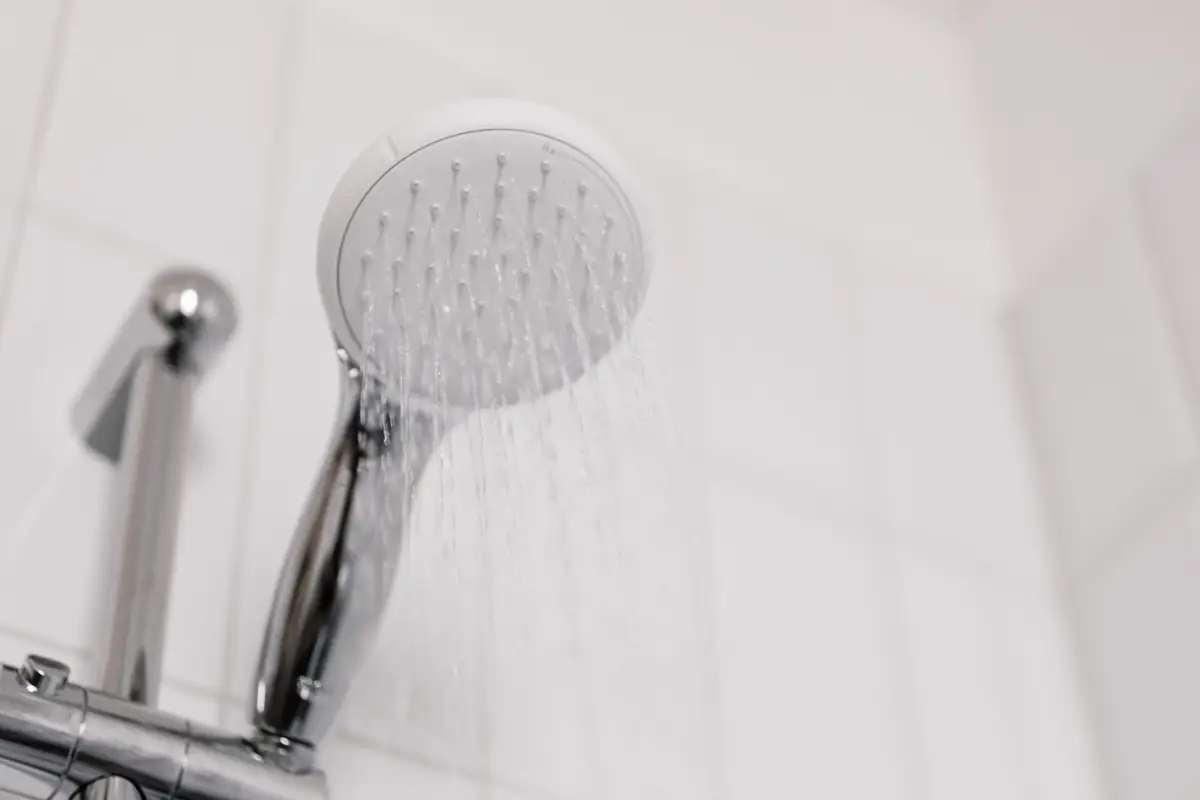
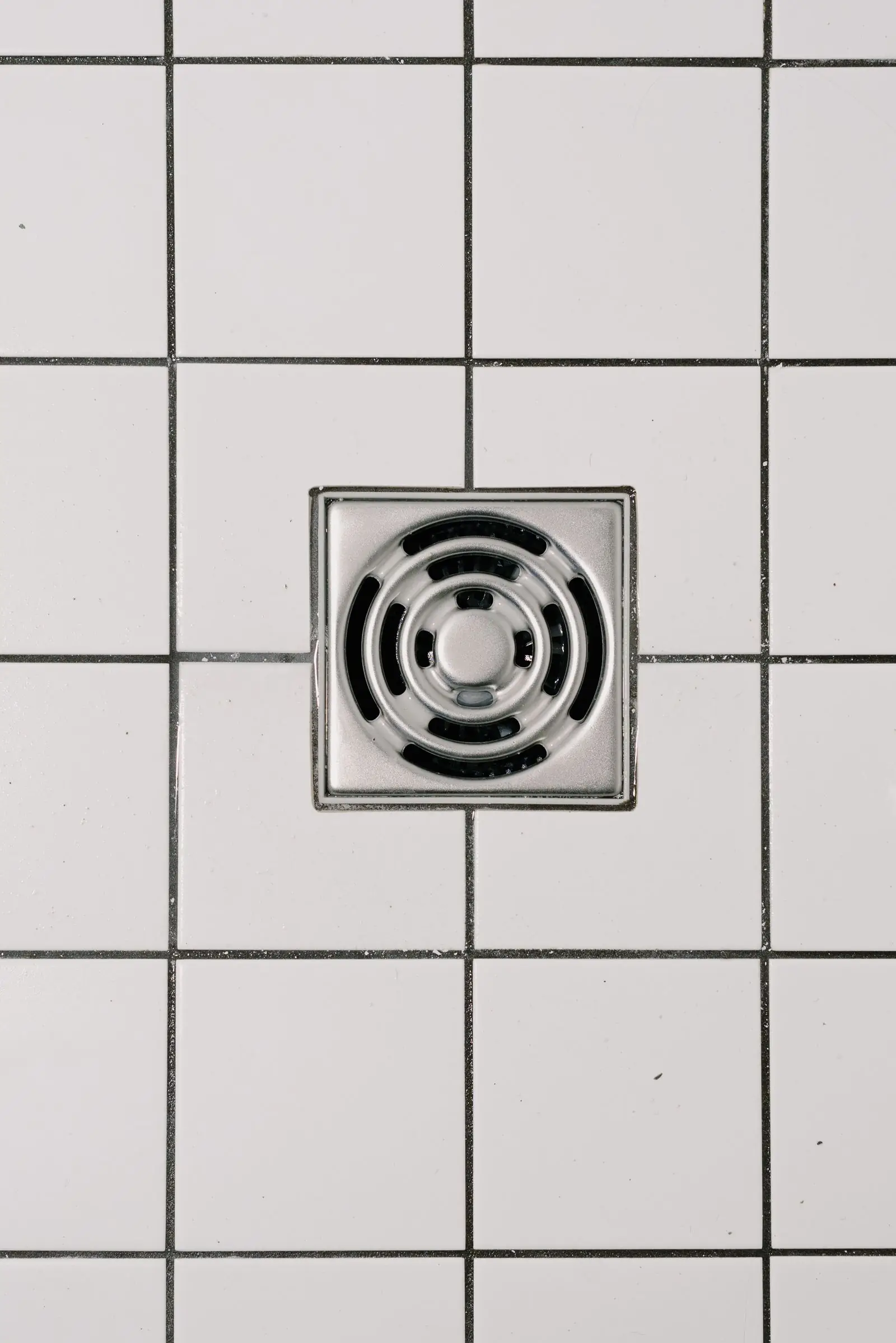
Shower drains are simpler to look at but harder to reach. The slowdown frequently starts right below the cover plate, where hair has wound itself around the first bend.
Old metal drain lines in older homes
Some houses in Red Lion have bathrooms that are a lot older than the plastic pipe you see in newer builds. Behind the tile, there may be cast iron or galvanized steel carrying the waste from the tub and sink. Metal pipe of this kind develops a rough inner surface with age. Rust scale and mineral buildup narrow the passage and give hair an easy place to anchor.
That roughness is the reason older bathrooms clog more often, and it is why a clear drain in an old home can slow down again sooner than you expect. We never promise that a clog will not return. What a technician can do is clear the line, tell you what the pipe looks like inside, and explain whether the same stretch is likely to catch debris again.
Old pipe also calls for care in choosing a method. If heavier cleaning is on the table, the technician will talk it through with you first; see hydro jetting for background.
Describe what you see and we will point you to the right kind of visit.
When it is not the fixture at all
A bathroom clog can start in the bathroom and still not live there. Watch for these signs:
- The tub gurgles when the toilet flushes, or the toilet bubbles when the shower drains.
- More than one bathroom is affected at once.
- Water backs up into the tub when the washing machine empties.
- A basement floor drain is slow or smells at the same time.
- The clog comes back almost immediately after being cleared.
Those patterns point to a shared line, not a hair clog. Fixtures drain into a branch, and branches drain into the main line leaving the house. A blockage in the main line will be felt first at the lowest fixture, which is usually a basement bathroom or a floor drain. If that sounds like your house, our page on main line drain cleaning describes the differences.
Most slow bathroom drains turn out to be hair, soap and a stopper. But if the water still stalls after the fixture is cleared, the technician should say so and explain the next step.
What the technician looks at
- 1
The visible parts
The stopper, strainer and cover plate come first. They are the easiest to inspect, and often where the trouble sits.
- 2
The trap and the short run
Beneath a sink or tub is a trap that holds a little water. It collects debris and is checked before anything is run deeper.
- 3
The branch line
If the water still will not move, a cable reaches past the trap into the branch that serves the bathroom.
- 4
Other fixtures in the house
Questions about the toilet, the other bathroom and the basement help rule a shared line in or out.
- 5
A plain explanation
What was found, what it means, and whether anything else is worth doing, such as a camera look when clogs repeat.
Bathroom drain cleaning in Red Lion homes
The age of the house is the strongest clue to what is behind your bathroom wall. In the borough, many homes are pre-war brick or frame with bathrooms added or updated over the years. You may find a modern tub surround on top of a very old drain, and the connection between the two is where hair and scale tend to catch.
In Windsor Township the story is usually plastic pipe from the 1970s on up, in repeated floor plans. Clogs there tend to be hair and soap, and they respond well to a simple clearing. The township page has more on how Windsor Township homes are built.
The suburban stretch of York Township on the Red Lion side has bathrooms from several decades, often with a lower-level bath in a finished basement. Water that rises there, low in the house, deserves a quick call. Read about the York Township side of Red Lion for detail.
Cold winters matter, too. Freeze-thaw cycles and deep frost stress buried pipe outside the house, and a bathroom on the lowest level can be the first to show it. And if your property uses a private well and on-lot septic, it falls outside what we do; we will tell you so on the phone.
While you wait for the visit
- Stop using the affected shower, tub or sink. If several fixtures are acting up, stop using water in the whole house.
- Do not pour chemical drain cleaner in. It can stay in the pipe and cause problems for the technician.
- Keep children and pets out of any bathroom with standing or backed-up water.
- Lift towels, rugs and valuables off a basement bathroom floor.
- Write down which fixtures are slow or gurgling and when you first noticed.
Tell us how often it comes back and the technician will bring that up with you on site.
Looking after a bathroom drain
You do not need a routine to keep a bathroom drain working, just a few easy habits. A fine mesh strainer over the shower drain catches most hair before it reaches the pipe, and emptying it takes seconds. Wiping a sink stopper clean once in a while, and rinsing off the residue, prevents the slow, sticky buildup. Keeping dental floss, cotton swabs and wipes out of the drain avoids the other common culprits.
Those habits improve your odds. They do not make a clog impossible, and a line with a rough interior will still collect debris faster than a smooth one. If you find yourself clearing the same shower every month, the pattern itself is worth a conversation with a technician.
Questions people ask
Slow showers usually mean hair and soap scum have built up just under the cover plate, where the first bend catches strands. The opening gets narrower every week, so water backs up faster than it leaves.
A technician can pull the debris, check the trap and run a cable if the stoppage sits deeper. If the slowdown arrived together with a gurgle or with trouble in another bathroom, say so on the call, since that changes the picture.
Those barbed plastic strips can pull out a surface tangle, and some people have luck with them. They also snap, snag on a stopper or push a mat deeper into the pipe, and they cannot reach a clog beyond the trap. We do not suggest DIY steps beyond stopping water use.
If the shower is still slow after you have cleaned what is visible, a technician with the right equipment can clear it without risking the finish or the pipe.
A gurgle means air is being pushed or pulled through a line that is partly blocked. The toilet and tub often share a branch, so a flush sends water past the tub drain and the trapped air has to escape somewhere. It is a hint, not a diagnosis.
It can come from a clog in the branch, in a vent, or further down toward the main line. Mention it on the phone, along with any other fixture that bubbles or runs slowly.
Yes, though it is less common than a plain hair clog. If several fixtures slow down together, if the lowest drain in the house backs up first, or if water rises in the tub when the washer empties, the blockage is probably shared and sits past the individual fixture.
A technician will usually clear the fixture first, then look further if the water still stalls. Our main line page describes how that works.
Technicians who work on bathroom drains handle porcelain, acrylic and fiberglass regularly, and most clearing is done through the drain opening or the trap, away from the surface. Care goes into avoiding scratches and chips, but we cannot promise a finish is untouchable, especially if it is already worn or cracked.
Let the dispatcher know what the tub or sink is made of and whether it has any existing damage, so that is on record before the visit begins.
Older houses often have metal drain pipe that has roughened inside from rust scale and mineral deposits. Hair and soap catch on that texture and build up faster than on smooth plastic. Older plumbing also tends to have more bends and patched sections where debris settles.
This is a general tendency, not a judgment on any particular house. Many older Red Lion homes drain well for years. The honest answer is simply that rougher pipe holds onto more of what passes through it.
There is no set schedule that suits every house. A home with long hair, a big family and an older drain line may need attention more often than a small household with newer pipe. A better guide is the drain itself: if it slows down, gurgles or smells, it is time to deal with it.
A strainer and a periodic stopper wipe-down cut the load. If you clear the same drain over and over, that pattern is a reason to ask what is happening inside the line.
Call again and say so right away, since a returning backup means the clearing did not reach the real cause. The blockage may be further down, or the line may have a problem such as a low spot or root intrusion that simply gets worse.
A camera look helps to confirm what is going on, and our page on hydro jetting covers a heavier method that sometimes follows. The dispatcher can explain the workmanship guarantee on completed work.
A slow drain holds more water than it should and may rise to the tub rim, so showers get riskier for the floor than for you. Use as little water as you can, and stop if you see water coming up, if other fixtures gurgle, or if the bathroom is in a basement.
If more than one fixture is affected, stop using water in the home and call. Keep children and pets away from standing water.
A slow bathroom drain only gets slower
Call, describe the shower, tub or sink, and we will explain the options and the price on the phone before a technician is sent.