
Basement Floor Drain & Laundry Drain Cleaning in Red Lion
The washer drains, the standpipe fills, and water climbs toward the rim. Or the basement floor drain gurgles and you do not like what is coming up. Here is what usually causes it in Red Lion homes, and what a visit looks like.
Lint, suds and a standpipe that will not keep up
A washing machine dumps its tub in a rush. That water has to leave the standpipe at least as fast as it arrives. When it cannot, the standpipe fills, the water rises to the top, and on a bad cycle it spills onto the floor. People often blame the machine. More often, the pipe behind the wall is partly blocked.
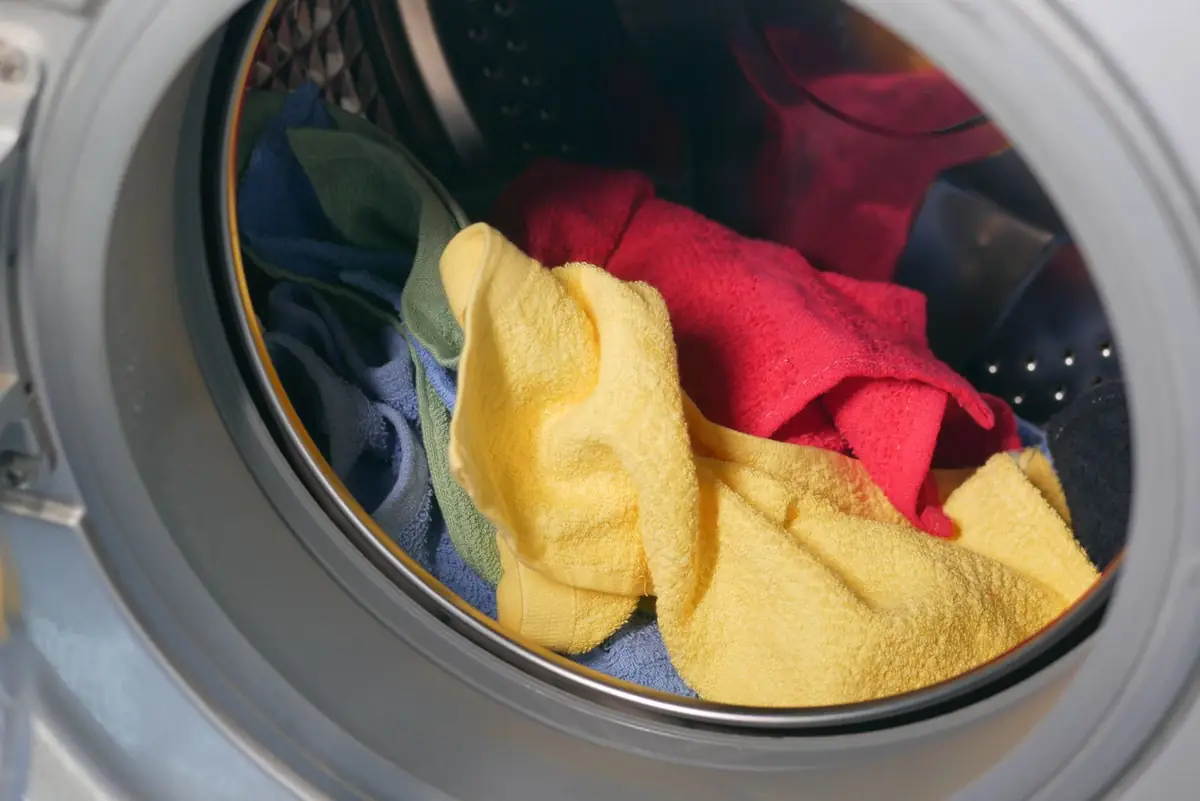
Lint is the usual culprit. Fibers slip past the machine's filter, mix with detergent residue and soap, and coat the inside of the drain. Over months, that coating thickens into a felt-like lining that narrows the pipe. Fabric softener residue and the fuzz from towels and fleece make it worse. Floor drain cleaning and laundry drain cleaning are often one visit, because the standpipe and the floor drain can share a line.
Signs you are on that road: the standpipe holds water a little longer than it used to, the drain gurgles near the end of the cycle, or a nearby floor drain bubbles when the washer empties. Those are warnings, not emergencies, and they are a good moment to call before the next overflow.
When the floor drain is the one that complains
A basement floor drain is the lowest point in the house plumbing, which makes it the first place trouble shows. Water that cannot get past a blockage further along has to go somewhere, and gravity picks the lowest opening.
That means a floor drain backup is not always a floor drain problem. Sometimes it is the drain itself, packed with sediment, laundry lint or debris that washed in from the floor. Sometimes it is a sign that a shared line downstream is slow. The way to tell is to watch the pattern. If only the floor drain acts up when the washer runs, the washer line is a good suspect. If the toilet and tub are also slow, the question shifts toward the main line.
Technicians sort this out by asking you what else was running, then clearing the drain and checking whether water moves freely downstream. If the answer points to a shared line, they say so, and the conversation moves to emergency and same-day clearing or a closer look with a camera.
Describe what the floor drain or washer line is doing and we will dispatch help.
Why a dry trap makes the basement smell
Every floor drain has a trap, a curve that holds a little water and keeps sewer smells from rising into the room. If a drain sits unused for months, that water can evaporate. The seal is gone, and the odor drifts up.
This happens most in drains that rarely see water: a spare floor drain in a utility corner, a drain near an old furnace, or a laundry-room drain used only when the machine overflows. Dry traps are common and have an ordinary explanation, and they are different from a blockage.
A smell can also mean other things, including build-up on the trap or a blockage. A technician can tell the difference by looking and testing the flow. What we can do is tell you whether the drain is working, and what needs doing to get it working.
If a smell is strong and stays after the trap is refilled, mention it on the call. It helps the dispatcher decide what to send.
If you smell gas
If you smell gas, leave the home and call the gas utility and 911 from outside.
Low basements and the weeks when the ground is wet
Some Red Lion blocks sit lower than the lines they drain into. In those homes, the basement floor drain is closer to the level of the main drain than the rest of the house. When the line is under strain, the basement is the first place it shows.
As a general tendency, cold winters and spring thaw put extra stress on buried lines. Frost and moisture can shift soil, and a line that was only half open before can finish closing. A heavy stretch of wet weather can also fill the main sewer serving a whole street, which pushes back on connected homes. We cannot say that any one storm or season will do this to your house. We can say that basements are where it is likely to appear first.
Backwater valves, explained in plain terms
A backwater valve is a device installed in a drain line. It contains a flap that lets water flow out of the house and closes if flow tries to come the other way. The idea is to stop water from the main line from pushing back up through low drains like a floor drain.
It is not a fix for a clog, and it does not do away with maintenance. A valve can collect debris and needs to be checked like any other moving part. Whether one makes sense for a particular house depends on how the plumbing is laid out, and that is a conversation to have with the technician who sees the pipes.
Floor drain cleaning in older and newer Red Lion homes
In the borough, pre-war houses often have basements with a single floor drain tied into old iron or clay, sometimes with a laundry tub and standpipe nearby. Lines are older, and trees along the street are mature. Floor-drain backups there often have to do with the aging line outside. Our page for Red Lion Borough goes deeper on what to expect.
On the Red Lion side of York Township, suburban houses commonly have finished or partly finished basements, a laundry room with a standpipe, and a floor drain near the mechanical area. When something backs up, it is often the laundry line, since that is where the volume is. Kitchen drains share the same system, so an unrelated kitchen drain clog may be part of the picture.
Newer Windsor Township houses often have the laundry on the main floor, with fewer basement drains. A floor drain in these homes may sit in a garage or utility space and see little use, which makes dry traps more common than blockages.
Until the technician arrives
- If more than one fixture is backing up, stop using water in the house, including the washer.
- Skip chemical drain cleaner. It can harm pipes and affect the technician working on them.
- Keep children and pets away from backed-up water.
- Move valuables, boxes and anything stored on the basement floor away from the drain.
- Write down which fixtures are affected and when it started.
What happens when you call
You describe what the drain or washer is doing. We ask a few questions: which fixtures are affected, when it started, whether it happens during a cycle or on its own. A local technician is dispatched, with same-day and emergency options where available. Before work starts, the technician explains the options and the upfront price, with no hidden fees.
On site, the technician usually clears the drain or line, then checks that water moves freely. If something is wrong further along, they say so and explain what the next step could be. We do not promise a drain will never clog again; we do stand behind completed work with a workmanship guarantee, explained on the phone.
One boundary to know about: homes on private wells and on-lot septic systems are outside this service.
Questions people ask
The standpipe fills faster than the line behind it can empty. Usually that means the pipe is partly blocked by lint, detergent residue and soap, which narrows the opening a little more each month. A washer discharges a lot of water in seconds, so a slightly restricted pipe shows up first. If it only happens on big loads, that fits. Call before it floods the floor, and note whether the washer drain also bubbles at a floor drain nearby.
Yes. Fibers from clothing, towels and blankets slip through the machine filter and mix with soap and softener to form a sticky lining on the pipe wall. It builds slowly, like felt, and narrows the line until water can no longer drain quickly. Lint traps and a clean machine filter help reduce it, but they do not eliminate it. A technician can clear the build-up, and we never promise it will not return.
A common reason is a dry trap. The curve under the drain holds water that blocks odor from the line, and that water can evaporate over months. A smell can also come from build-up or a partial blockage. A technician can tell which by looking and testing the flow. What we can do is check whether the drain works and tell you what is needed.
The floor drain is the lowest opening in the plumbing, so water goes there when it cannot pass something further along. The blockage may be in the drain itself, in the laundry line, or in a shared line downstream. If several fixtures slow down at once, a main-line problem becomes more likely. Stop using water if more than one fixture is affected, and tell the dispatcher what else was running when it started.
Same-day and emergency dispatch are available where possible, and calls are answered at all hours. Whether a technician can arrive today depends on demand and your location. Describe the problem on the phone, including whether water is already on the floor, and the dispatcher will tell you what is possible. The technician explains the price before any work begins, so nothing is a surprise when the work starts.
Sometimes. A clog in the drain or laundry line can cause the same thing, so the pattern matters. If only the floor drain acts up when the washer runs, the laundry line is a likely suspect. If toilets and tubs are slow too, or the lowest drains back up when upper fixtures run, the main line moves higher on the list. The technician sorts it out on site. Our main drain line page explains the signs in more detail.
It is a device in a drain line with a flap that lets water leave the house and is meant to close when flow tries to come back. The goal is to keep main-line water from pushing up through low drains. It is not a cure for a clog and it needs checking like any moving part. Whether one suits your house depends on the layout, so that is a question for the technician who sees your pipes.
Use clean water, not products. If a drain smells and has sat unused, a quart or so of plain water can restore the trap seal. Avoid chemical drain cleaner, which can harm pipes and affect the technician later. Do not push objects into the drain, and keep the grate in place so debris stays out. If a smell persists after refilling, or water is rising, call and describe what you see.
Water where it should not be? Call us first.
Tell the dispatcher what the washer or floor drain is doing. We will connect you with a local technician and explain the price before work begins.