
Drain Cleaning in Windsor Township
Newer subdivisions, long drain runs and a lot of fixtures on one line. Call and describe what your drains are doing, and we will connect you with a local pro who knows how homes here are put together.
Windsor Township drain cleaning: newer homes, stubborn drains
People in Windsor Township are often surprised when a drain clogs, because the house is not old. The pipes are plastic, the fixtures look fresh and nothing has been rusting for decades. But a newer house is not a clog-proof house. Drain lines in a big township subdivision tend to run farther, serve more fixtures at once and carry whatever the household sends down them: disposal scraps, laundry lint, hair, wipes and kitchen grease. Calls from around ZIP 17356 are usually less about worn-out pipe and more about habits, layout and a line working harder than anyone planned.
Subdivisions, slabs and basements across the township
Windsor Township wraps around the borough and is built in layers. Some streets date to the 1970s and 1980s, others filled in over the decades after, and new construction is still going up. No two neighborhoods are quite alike, so a technician cannot assume one layout, here in York County, Pennsylvania.
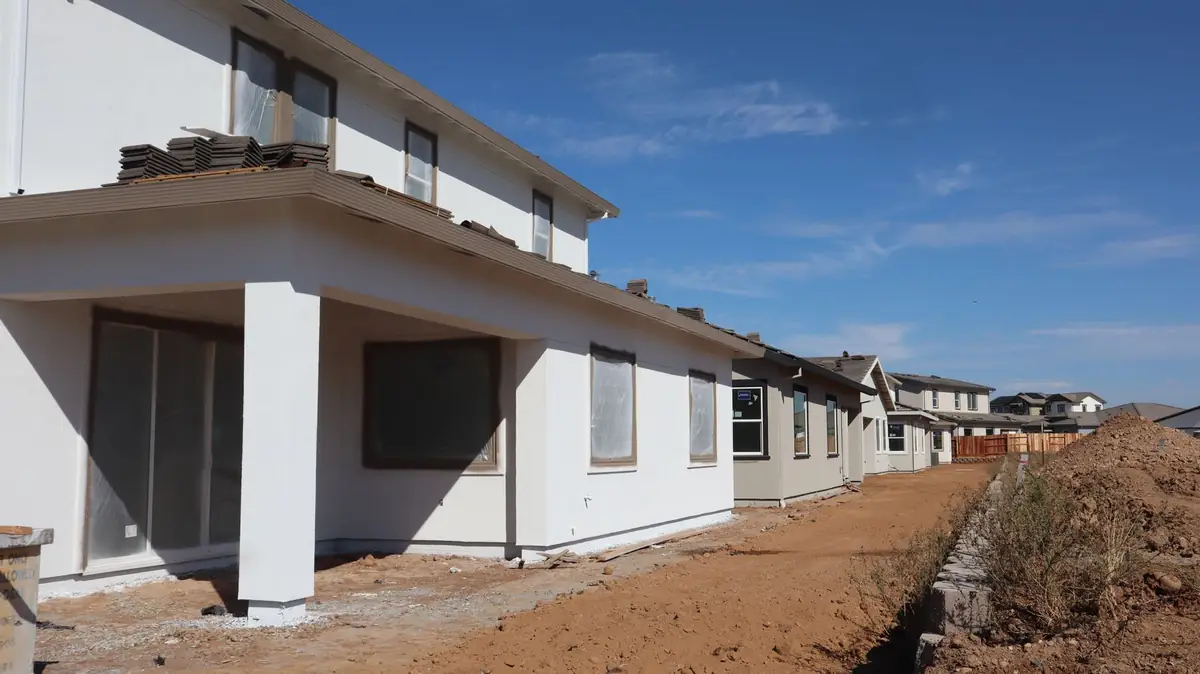
As a general tendency, many homes have full basements, which give the drain system a low point and a floor drain that tells you a lot when it misbehaves. Others sit on a crawl space, where pipes hang under the floor, or on a slab, with drain lines poured in underneath. Most piping is PVC or similar plastic, which is smooth and does not rust, but still catches a grease film, a clump of lint or a dropped object.
Lots are generally larger than in town, so the main drain line has a longer way to travel. Add a finished basement bath, an upstairs laundry, a kitchen island sink and a primary bath, and plenty of fixtures feed one building drain. Builder-grade fixtures are common too: simple stoppers, basic strainers, standard disposals. They work, but they catch little on their own.
One honest note about the edges of the township. Some rural properties run on a private well or an on-lot septic system. Those homes are outside what we do. Homes connected to a municipal sewer line, which describes most subdivisions, are who this service is for.
The usual suspects in a township home
Kitchen lines carrying too much. A garbage disposal makes it easy to forget what goes down the sink. Grease cools in the pipe, starch settles on it, and the branch line behind the wall narrows. If a sink drains a little slower each month, see our page on kitchen drain cleaning.
Bathrooms with heavy daily use. Hair and soap collect at the stopper and in the trap, especially in tubs used by a full household. Our bathroom drain cleaning page covers tubs, showers and sinks.
Laundry surges. A washer pumps out a lot of water fast, along with lint. If the standpipe or branch is partly narrowed, water rises in a floor drain or laundry tub instead.
Many fixtures on one line. When several fixtures share a long run, a restriction down the line shows up in whichever fixture is lowest or farthest. One backing-up toilet can really be the main line talking.
Construction leftovers. Now and then a newer line holds a surprise from the building phase, such as a joint slightly off or debris never cleared. That is a general possibility, not a prediction about your house.
A clear drain and a solved problem are not the same thing. Clearing gets water moving; finding out why it clogged is the harder job, and nobody can promise a clog will never return.
First things a technician looks at in a house like yours
- Which fixtures are affected, and in what order they began to act up. One slow sink points one way; a tub, a toilet and a floor drain together point another.
- Whether the lowest drain in the house is the first to back up.
- Where the cleanout is. In a slab or crawl-space home it may be outside or in a utility area.
- How the kitchen and laundry are used day to day.
- Whether a cable will do, or whether build-up suggests hydro jetting to wash grease and scale off the pipe walls.
After repeat clogs, the technician may suggest a camera view first. That is how you tell a one-time blockage from a line with a belly, an offset or heavy build-up further down.
Describe what is slow or backing up, and we will tell you what it sounds like and what happens next.
How a call to us plays out
- 1
You call and describe it
Tell us which fixtures are affected, whether the house has a basement, crawl space or slab, and when it started. Calls are answered 24/7.
- 2
We ask a few questions
One drain or several? Water coming up anywhere? Is the house on municipal sewer? That last point matters, since wells and septic are outside our service.
- 3
A local technician is dispatched
We connect you with an independent drain cleaning pro. Same-day and emergency dispatch are available where possible.
- 4
Options and pricing come first
The technician explains what they found and what each option costs before any work begins. No hidden fees, and completed work carries a workmanship guarantee.
While you wait for the technician
- If more than one fixture is backing up, stop using water in the house.
- Do not pour chemical drain cleaner into any drain.
- Keep children and pets away from backed-up water.
- Move valuables off the basement floor, especially near the floor drain.
- Note which fixtures are affected and when it started.
Other places we cover near the township
Our technicians move between all parts of Red Lion. In the dense older streets of town, the story shifts to clay, cast iron and mature trees; read about it on our Red Lion Borough page. On the suburban northwest edge, see our York Township page.
If a drain is already slow, do not wait for the holidays to find out how slow.
Questions people ask
New piping does not stop grease, hair and lint from collecting. In a newer home, clogs usually come from habits and layout rather than age: a disposal that handles more than it should, a long run feeding many fixtures, or a shower used by a full household. A technician can clear the blockage and, if it returns, recommend a camera look to find the reason.
We serve homes in the township connected to a municipal sewer line, which includes most subdivisions around Red Lion. Homes on a private well or an on-lot septic system are outside what we do. If you are not sure how your house is connected, say so when you call and we will sort it out with you.
It can. In a slab or crawl-space home the cleanout is often outside or in a utility area, and some lines are harder to reach than in a basement home. The technician starts by locating the cleanout and learning which fixtures are slow. Mention your foundation type when you call.
Often the disposal is not the culprit; what goes into it is. It grinds food into small pieces, but those pieces and any grease still travel down a narrow branch line, where starch and fat build up over time. Honest habits help more than any product.
Look at the pattern. A single slow sink usually means a clog in that fixture's own branch. If a tub, a toilet and a floor drain act up together, or the lowest drain backs up first, the problem is probably further down the line. Do not try to snake a main line yourself. Call and describe what you see.
Sometimes. If a line has a stubborn grease film or heavy build-up, jetting can wash the pipe walls more thoroughly than a cable alone. It is not right for every pipe, and a camera look often comes first. The technician will explain whether it suits your line.
A repeat clog is a symptom, not just an annoyance. It can mean build-up a cable only punched through, a belly or offset in the pipe, or a habit that keeps feeding the problem. A drain camera inspection shows what is going on inside the line.
A single slow sink can usually wait for a scheduled visit. Several fixtures backing up, water coming up a floor drain, or a sewage smell inside the house are reasons to call right away. Stop using water if more than one fixture is affected. If you ever smell gas, leave the home and call the gas utility and 911 from outside.
Yes. The technician explains the options and the pricing before any work begins, and there are no hidden fees. If the plan changes once the technician sees the line, it is explained again before anything proceeds. Ask any question you like on the phone before you decide.
Know which fixtures are slow or backing up, roughly when it started, and whether the house has a basement, crawl space or slab. If you have noticed gurgling or a smell from a floor drain, mention that too. Knowing where the cleanout is helps, but it is fine if you do not.
Backed up in Windsor Township? Start with one call.
Tell us which fixtures are slow, what the house is like and when it began. We will connect you with a local drain cleaning technician and explain the pricing before any work starts.